

Wart Treatment Options: What Actually Works?
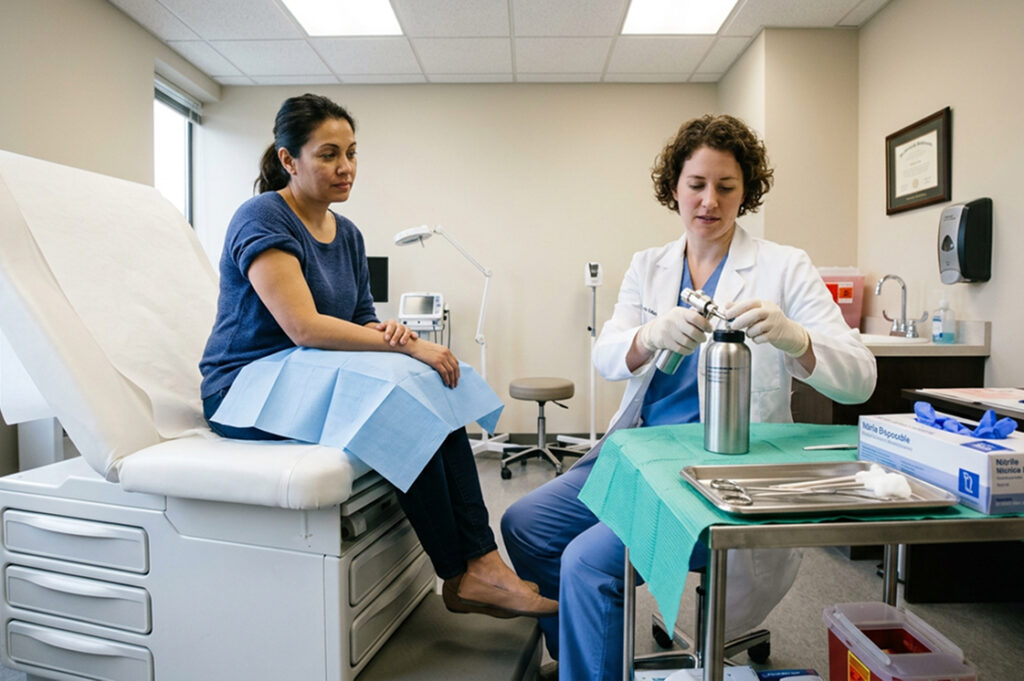
Warts are one of those skin conditions that seem simple until they turn out not to be. Most people reach for a drugstore freezing kit or a salicylic acid pad first, and for some warts, that is genuinely enough. But warts that have been around for months, keep coming back, or show up on sensitive
Mole Removal vs. Skin Cancer Surgery: What’s the Difference?
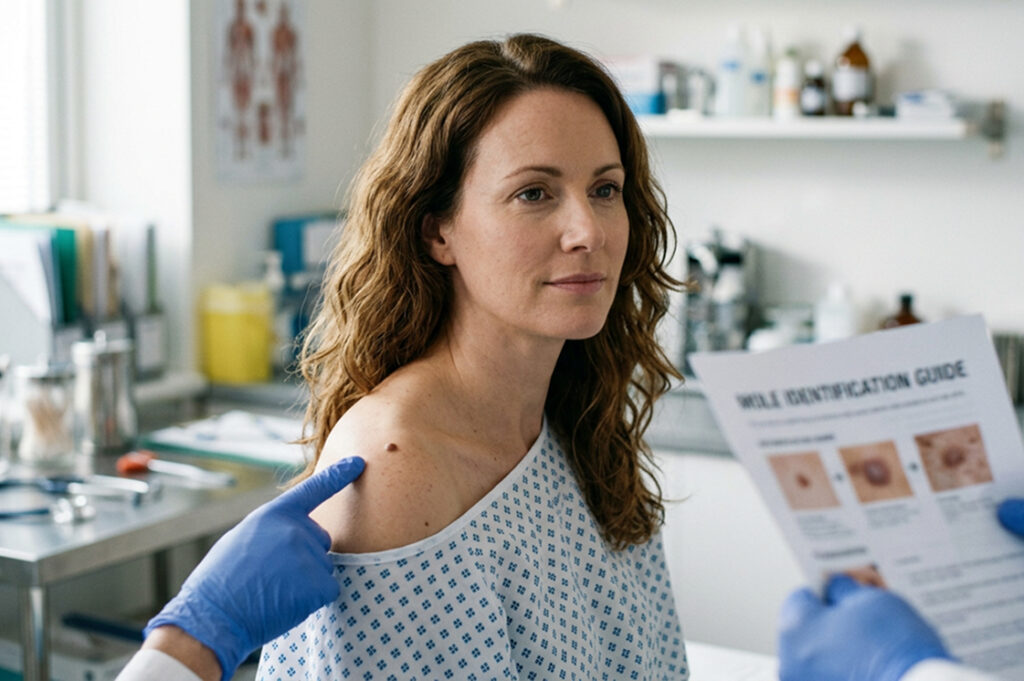
Most people use the phrase “mole removal” as if it describes a single, simple procedure. In reality, there are two very different situations that lead a patient to a dermatologist’s chair, and mixing them up is one of the more common misunderstandings in skin health. One is a routine, elective procedure to remove a mole
How Does Laser Hair Removal Actually Work?
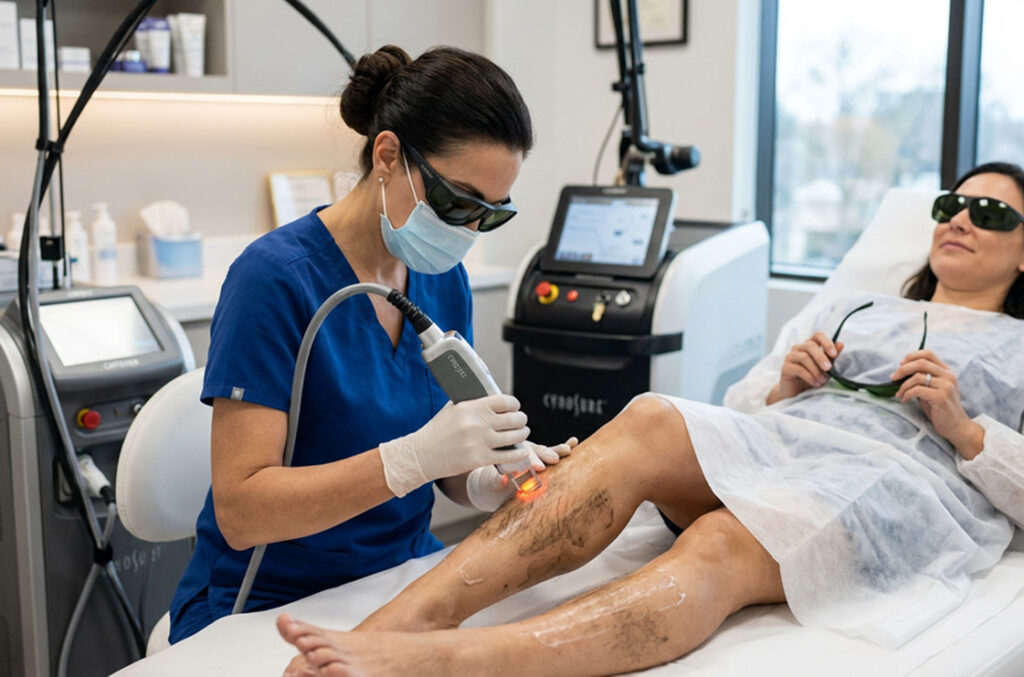
Laser hair removal works by directing concentrated light energy into the hair follicle, where it is absorbed by the pigment in the hair and converted into heat that damages the follicle’s ability to grow new hair. Because the laser targets pigment specifically, it is most effective on hair that is darker than the surrounding skin,
Understanding Rosacea Triggers and Treatment Options in Central Florida
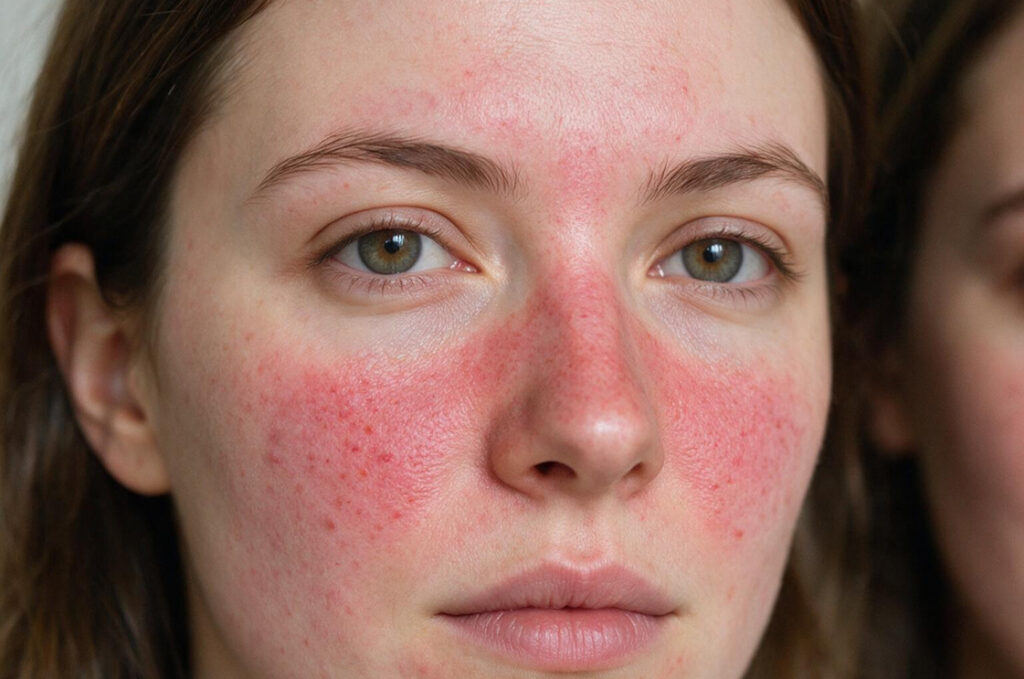
Most people assume rosacea is just sensitive skin that flushes easily, but the condition runs deeper than a temporary blush. It is a chronic inflammatory skin condition, and where you live can shape how often it flares. For patients in Central Florida, the same heat and humidity that make outdoor living so appealing can also […]
Adult Acne in Your 30s and 40s: Why It Happens and How It’s Treated
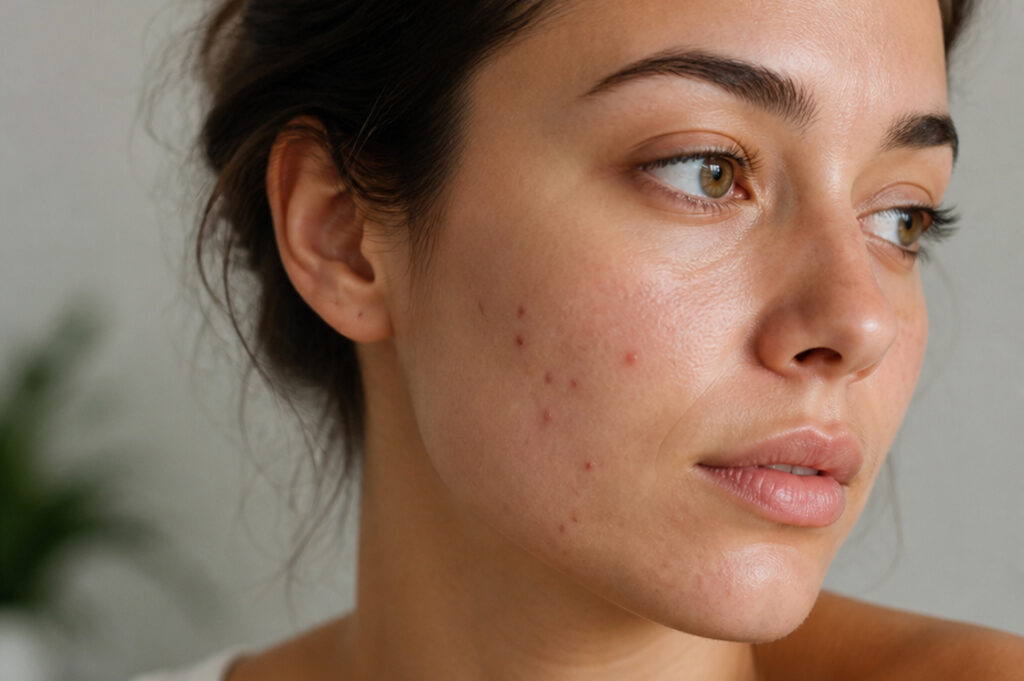
There is a quiet assumption that acne is something you age out of, so when breakouts show up at 35 instead of 15, it can feel confusing and even a little embarrassing. Adult acne is more common than most people realize, and it behaves differently enough from teenage acne that the products sitting in most […]
What’s the Difference Between a Cyst and a Lipoma?
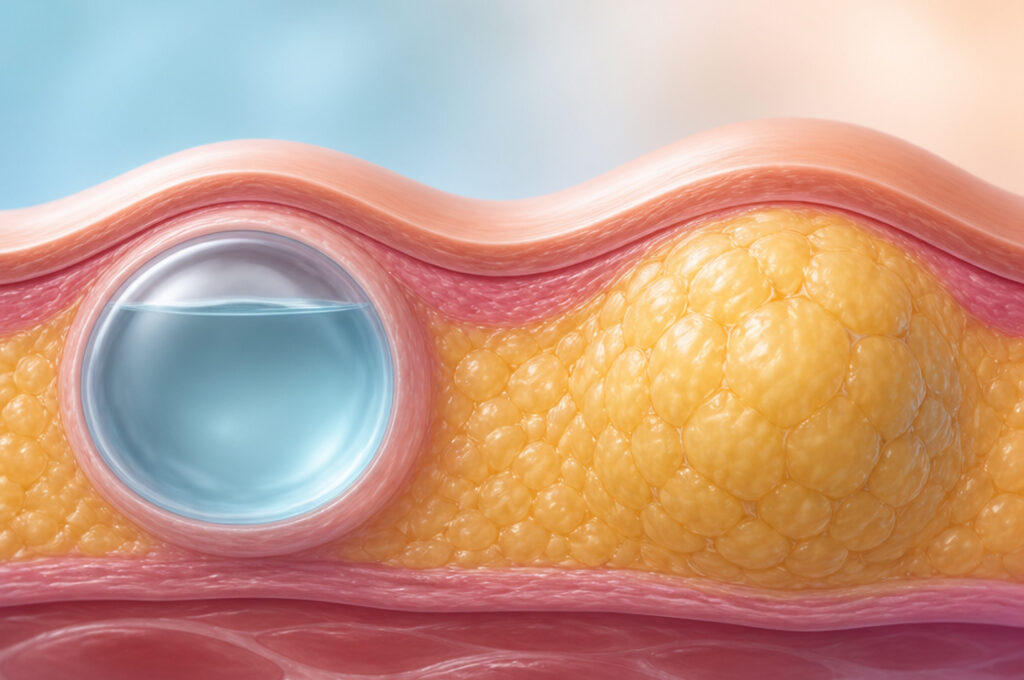
A cyst is a fluid or debris-filled sac that forms just under the skin, while a lipoma is a soft, slow-growing lump made of fatty tissue that develops slightly deeper. Both are almost always benign, but they form differently, feel different to the touch, and are removed using different techniques, which is why an accurate […]
IPL Photofacial: What It Treats and What Results to Expect
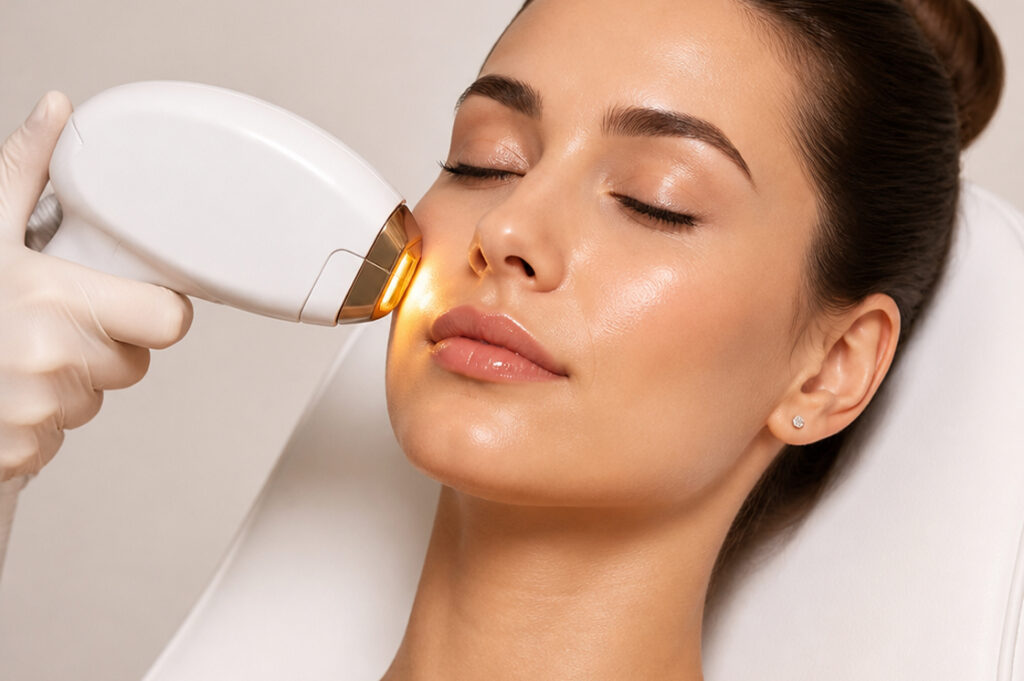
Most people hear “photofacial” and picture something closer to a spa treatment than an actual medical technology, but IPL works by targeting very specific things beneath the skin’s surface. It is not a single generic treatment, and understanding what it actually does helps set realistic expectations before booking an appointment. Here is what IPL is […]
Are Chemical Peels Effective for Sun Spots vs. Freckles? What’s the Difference?
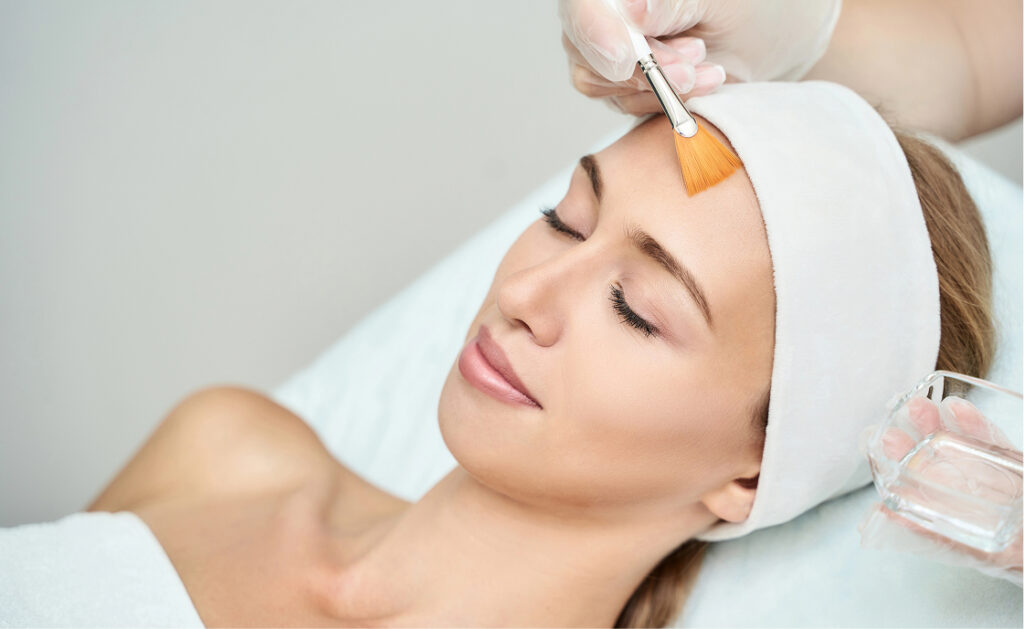
Sun spots and freckles often look similar, but they don’t behave the same way inside the skin. This difference is why some pigmentation responds well to treatment while others tend to return or resist change. What is rarely discussed is that pigmentation is not just a surface issue, it reflects how the skin has been […]
Why Eczema Flares Happen and How to Prevent Them
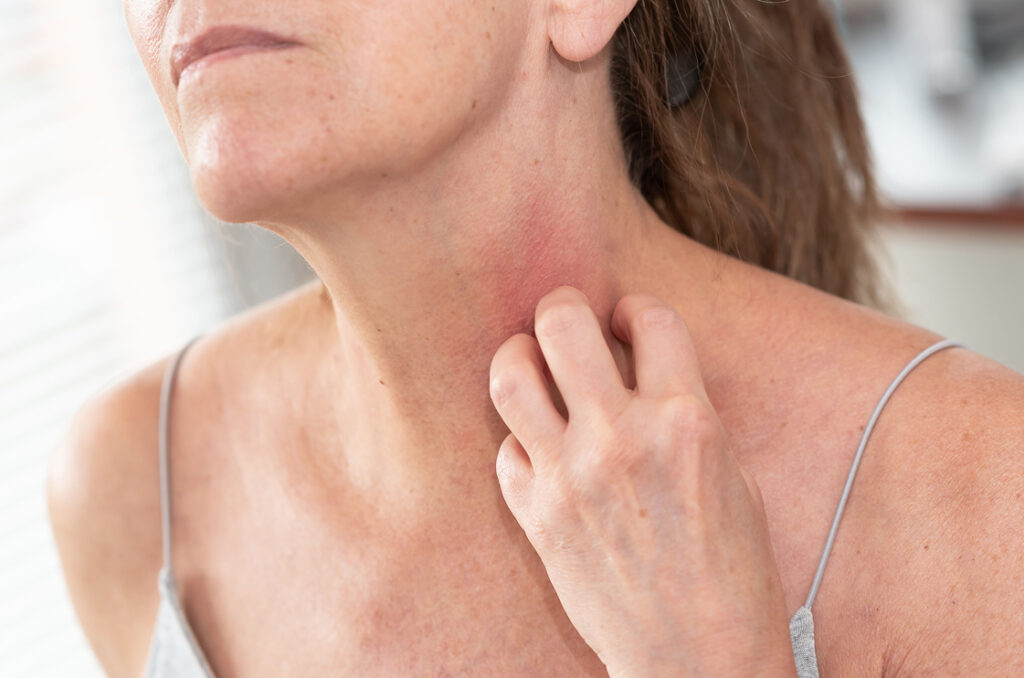
Eczema is often treated as a random skin condition, but flares are usually the result of a predictable chain reaction happening beneath the surface. The skin barrier, immune system, and environment constantly interact, and when that balance shifts, inflammation appears. What’s less often discussed is that flares rarely start at the skin level alone, they […]
Can Sunscreen Really Prevent Skin Cancer? What the Research Shows
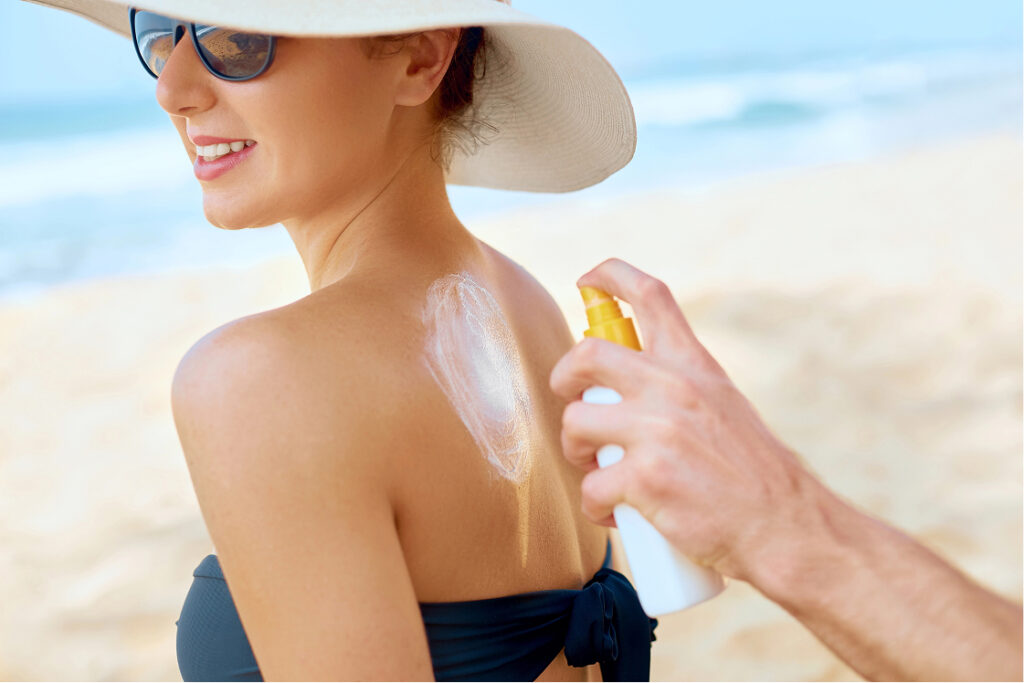
Most people think of sunscreen as a simple yes-or-no solution for skin cancer prevention, but the reality is more nuanced. Sunscreen works as part of a larger biological and behavioral system, not as a standalone shield. The skin responds to sunlight in ways that accumulate over years, and protection depends not just on what you […]